Proteasome Inhibitors In Cancer Therapy
Proteasome Inhibitors in Cancer Therapy Cancer Drug Discovery and Development. The proteasome is a multicatalytic enzyme complex responsible for the majority of protein degradation in cells.
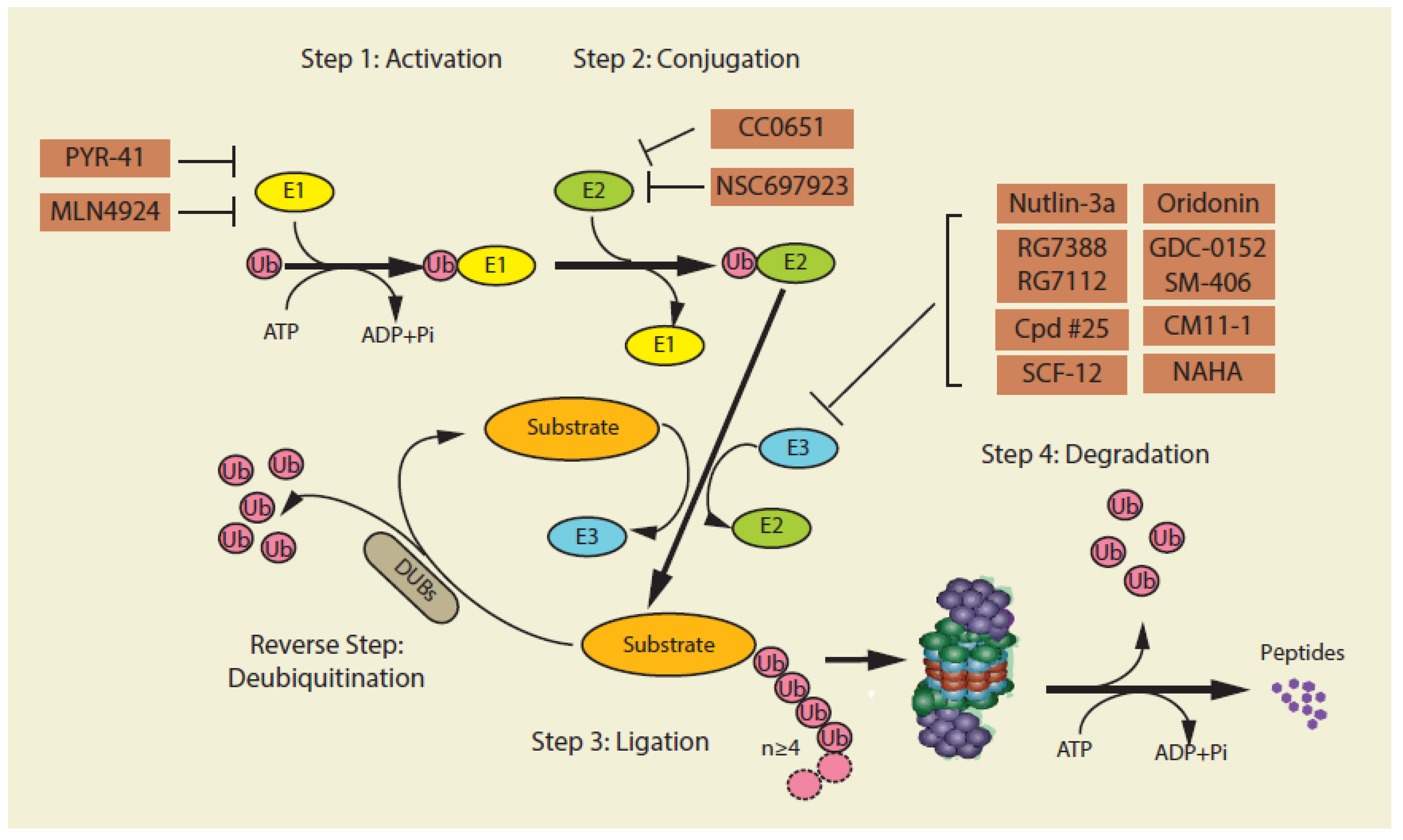
Cancers Free Full Text Drug Development Targeting The Ubiquitin Proteasome System Ups For The Treatment Of Human Cancers Html
The proteasome inhibitor bortezomib VELCADE formerly known as PS-341 has recently been approved in the United States for treatment of patients with multiple myeloma who have.

Proteasome inhibitors in cancer therapy. In this review we will discuss recent. Julian Adams PhD Published by Humana Press ISBN. Validation of the ubiquitin-proteasome pathway as a target for cancer therapy has come in the form of approvals of the first such inhibitor bortezomib for relapsedrefractory multiple myeloma and mantle cell lymphoma for which this agent has become a standard of care.
Authoritative and illuminating Proteasome Inhibitors in Cancer Therapy makes clear that proteasome inhibition should prove a fertile area for the many future discoveries that will provide relief of suffering and extend the quality of life of patients afflicted with cancer and other debilitating diseases. The investigation of the mechanisms through which bortezomib causes cell death of. Authoritative and illuminating Proteasome Inhibitors in Cancer Therapy makes clear that proteasome inhibition should prove a fertile area for the many future discoveries that will provide relief of suffering and extend the quality of life of patients afflicted with cancer and other debilitating diseases.
The authors also document the development. Inhibition of proteasome function has emerged as a powerful strategy for anti-cancer therapy. Proteasome is implicated in cancer studies as it is the main degradation system for oxidatively damaged proteins and also for several proteins playing a role in the cell cycle and transcription which are important for cancer improvement.
Proteasome Inhibitors in Cancer Therapy. Traditionally believed to be a mere recycler of damaged or misfolded proteins the. One of these drugs bortezomib was introduced in cancer therapy and its use was approved for the treatment of multiple myeloma and mantle cell lymphoma.
Therefore inhibition of the ubiquitin-proteasome system causes inhibition of cell proliferation and induction of apoptosis especially in cancer cells which makes it a promising strategy of cancer therapy that is already supported by clinical trials. Inhibitors of the 20S proteolytic core of the proteasome are the most extensively studied proteasome inhibitors to date and three of these agents bortezomib ixazomib and carfilzomib are currently approved for the treatment of multiple myeloma or mantle-cell lymphoma MCL. Proteasome Inhibitors in Cancer TherapyAuthor.
Including cancer17 Proteasome inhibition is an established means for the treatment of multiple myeloma mantle cell lymphoma and non-Hodgkin lymphoma3 Furthermore the collection of empirical data for the use of proteasome inhibition as a treatment for various solid tumors is underway18. This review summarises the main mechanisms of action of proteasome inhibitors in cancer the development of proteasome inhibitors as therapeutic. Because proteasome inhibition blocks cellular proliferation and induces apoptosis these agents have been tested as anticancer drugs in tumor models and have shown impressive potential.
This article summarizes reports of known proteasome inhibitors differing in chemical structure and mechanism of action emphasizing their. Lessons learned from this first-in-class agent are now being applied to the development of a new generation of proteasome inhibitors that hold the promise of efficacy in bortezomib-resistant. In addition treatment with proteasome inhibitors can sensitize cells to other cancer treatments like radio- or chemotherapy.
Clinical validation of the proteasome as a therapeutic target was achieved with bortezomib and has prompted the development of a second generation of proteasome inhibitors with improved pharmacological properties. Inhibitors of the proteasome have long been used in studies of protein turnover but in a notable example of successful translational research they have made the leap from the laboratory into the clinical arena. This review introduces the.
The observation that proteasome inhibitors are able to induce apoptosis preferentially in tumor cells opened the way to their use as potential drugs. Proteasome inhibitors are hence considered promising drugs for the treatment of proteasome-activated cancers and are indeed used for patients with multiple myeloma or mantle cell lymphoma but not. Recent studies have shown that proteasome inhibitors potently induce apoptosis in many types of cancer cells with reduced cytotoxicity in normal cells.
Interestingly transformed cells display greater susceptibility to proteasome inhibition than nonmalignant cells. Part of the Cancer Drug Discovery and Development book series CDDD Abstract. In preclinical cancer models proteasome inhibitors induce apoptosis have in vivo antitumor efficacy and sensitize malignant cells and tumors to the proapoptotic effects of conventional chemotherapeutics and radiation therapy.
The discussion of rationales for testing proteasome inhibitors in cancer models covers the role of the proteasome in NF-kB activation the combining of conventional chemotherapy and radiation with proteasome inhibition notably PS-341 new proteasome methods of inhibiting viral maturation and the role of protesome inhibition in the treatment of AIDS.

Proteasome Inhibitors In Cancer Therapy Lessons From The First Decade Clinical Cancer Research
Kyprolis Versus Velcade In Phase 3 Study In Previously Treated Patients Cancer Biology
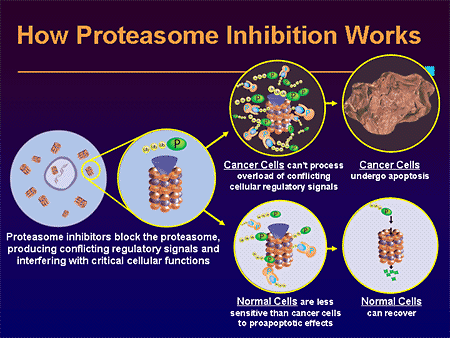

Several Proteasome Based Strategies For Cancer Therapy A Broad Download Scientific Diagram

How To Explain The Clinical Synergy Of Proteasome Inhibitors And Imids In The Therapy Of Multiple Myeloma
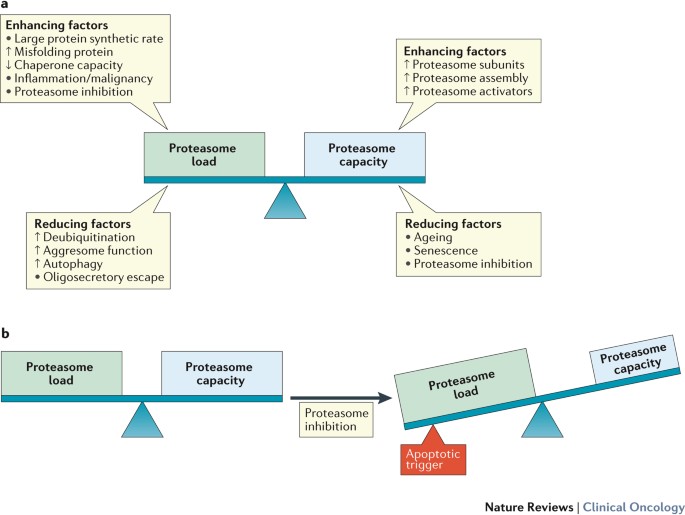
Proteasome Inhibitors In Cancer Therapy Nature Reviews Clinical Oncology
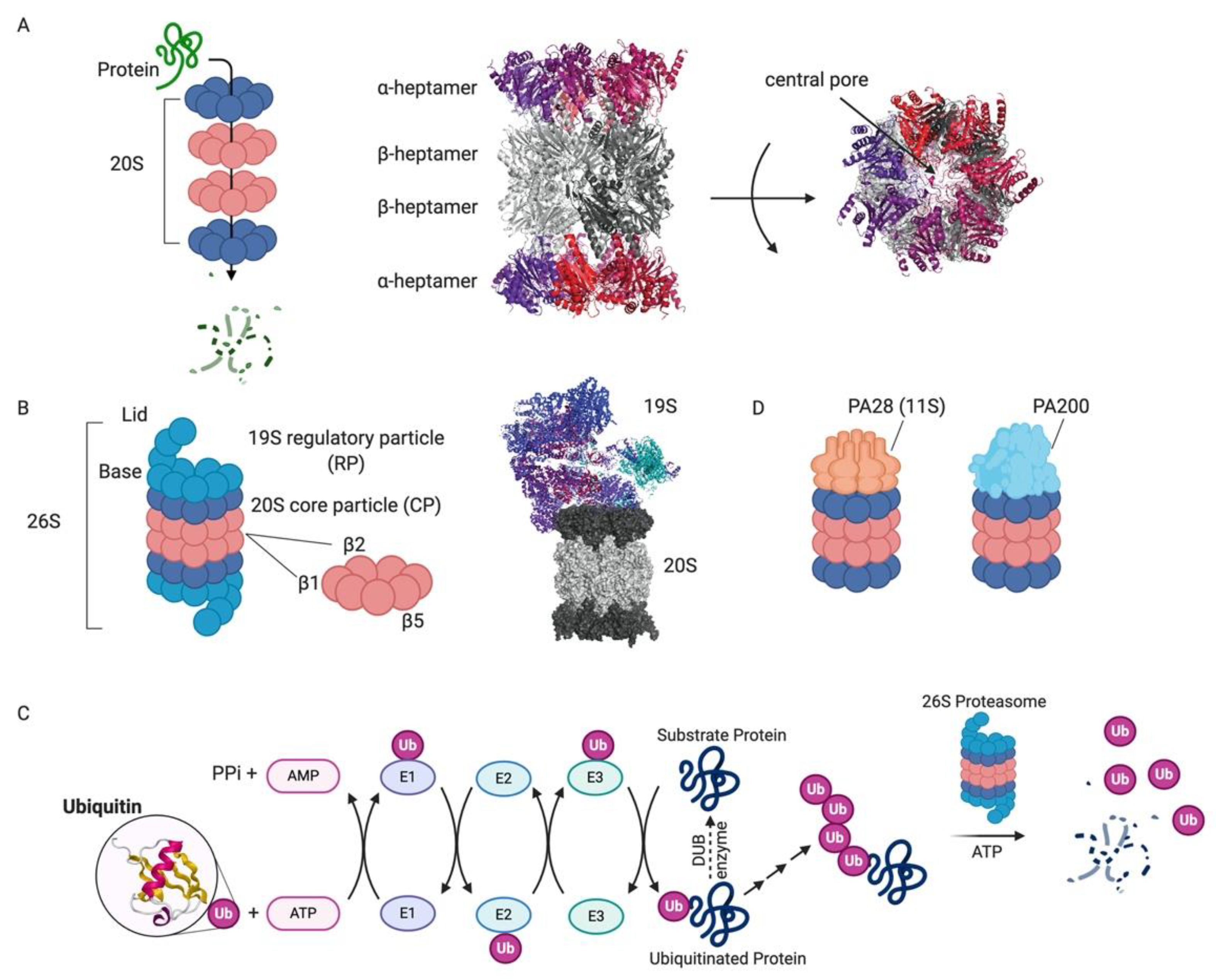
Molecules Free Full Text Proteasome Inhibitors Harnessing Proteostasis To Combat Disease Html
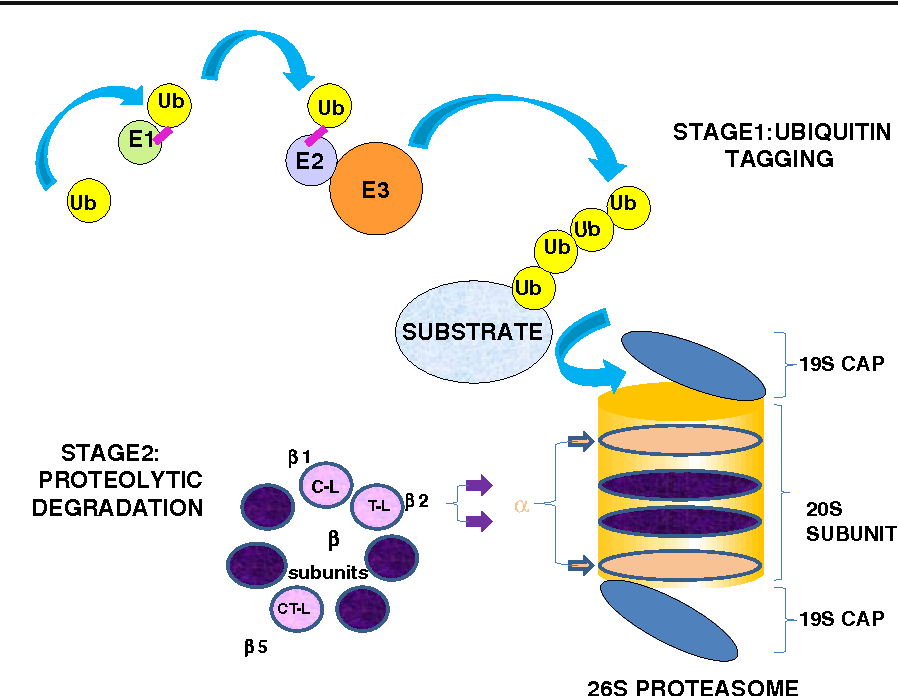
Proteasome Inhibitors In Cancer Therapy Semantic Scholar

Inhibition Of The Proteasome B2 Site Sensitizes Triple Negative Breast Cancer Cells To B5 Inhibitors And Suppresses Nrf1 Activation Cell Chemical Biology

Structure And Mechanism Of Action Of Proteasome Inhibitors A Download Scientific Diagram

Proteasome Inhibitors In Cancer Therapy Lessons From The First Decade Clinical Cancer Research
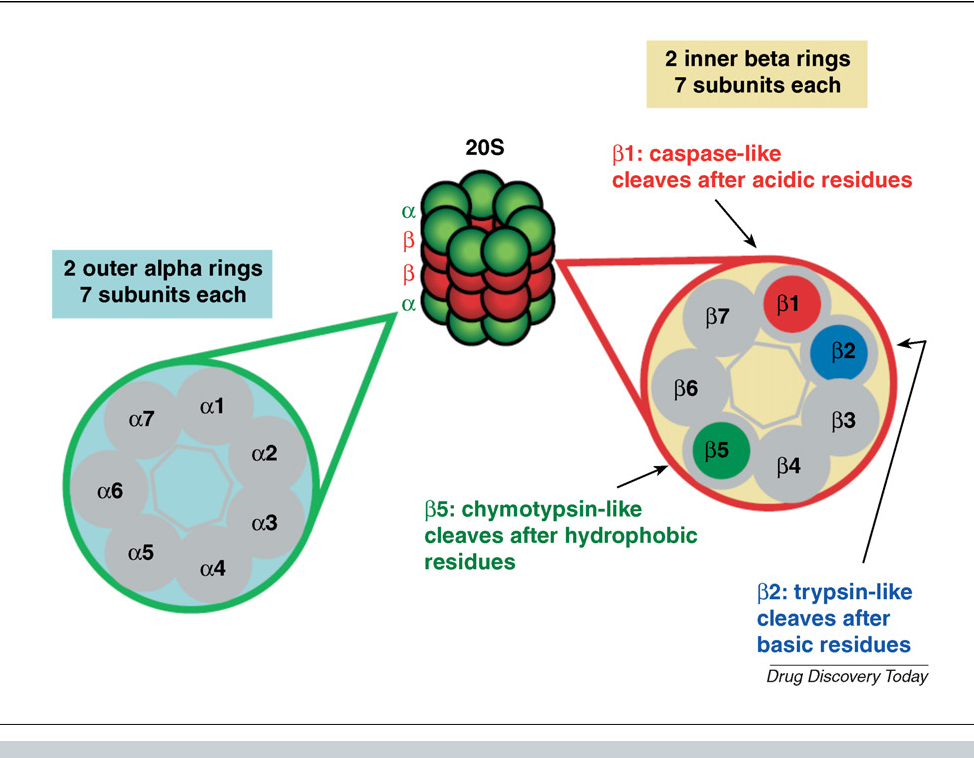
Building On Bortezomib Second Generation Proteasome Inhibitors As Anti Cancer Therapy Semantic Scholar

Scielo Brasil New Proteasome Inhibitors In The Treatment Of Multiple Myeloma New Proteasome Inhibitors In The Treatment Of Multiple Myeloma

Updates To The Drug Resistant Mechanism Of Proteasome Inhibitors In Multiple Myeloma Bai 2021 Asia Pacific Journal Of Clinical Oncology Wiley Online Library

Various Novel Proteasome Inhibitors Download Table

Ra190 Small Molecule Proteasome Inhibitor For Cancer Therapy Ppt Download

Effects Of Proteasome Inhibition By Bortezomib Alteration Of Several Download Scientific Diagram
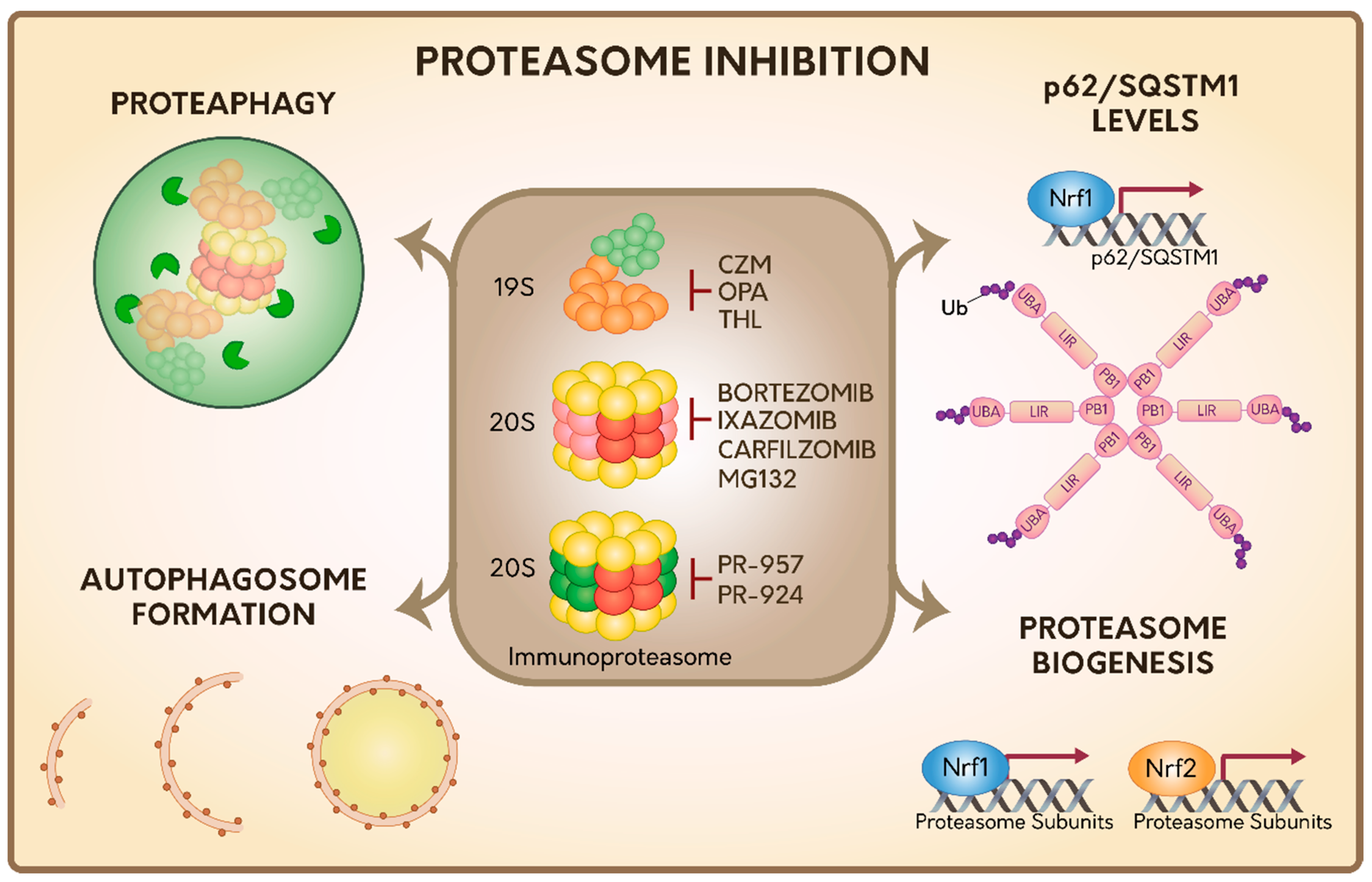
Ijms Free Full Text Cellular Responses To Proteasome Inhibition Molecular Mechanisms And Beyond Html
Next Generation Proteasome Inhibitors For Cancer Therapy Translational Research
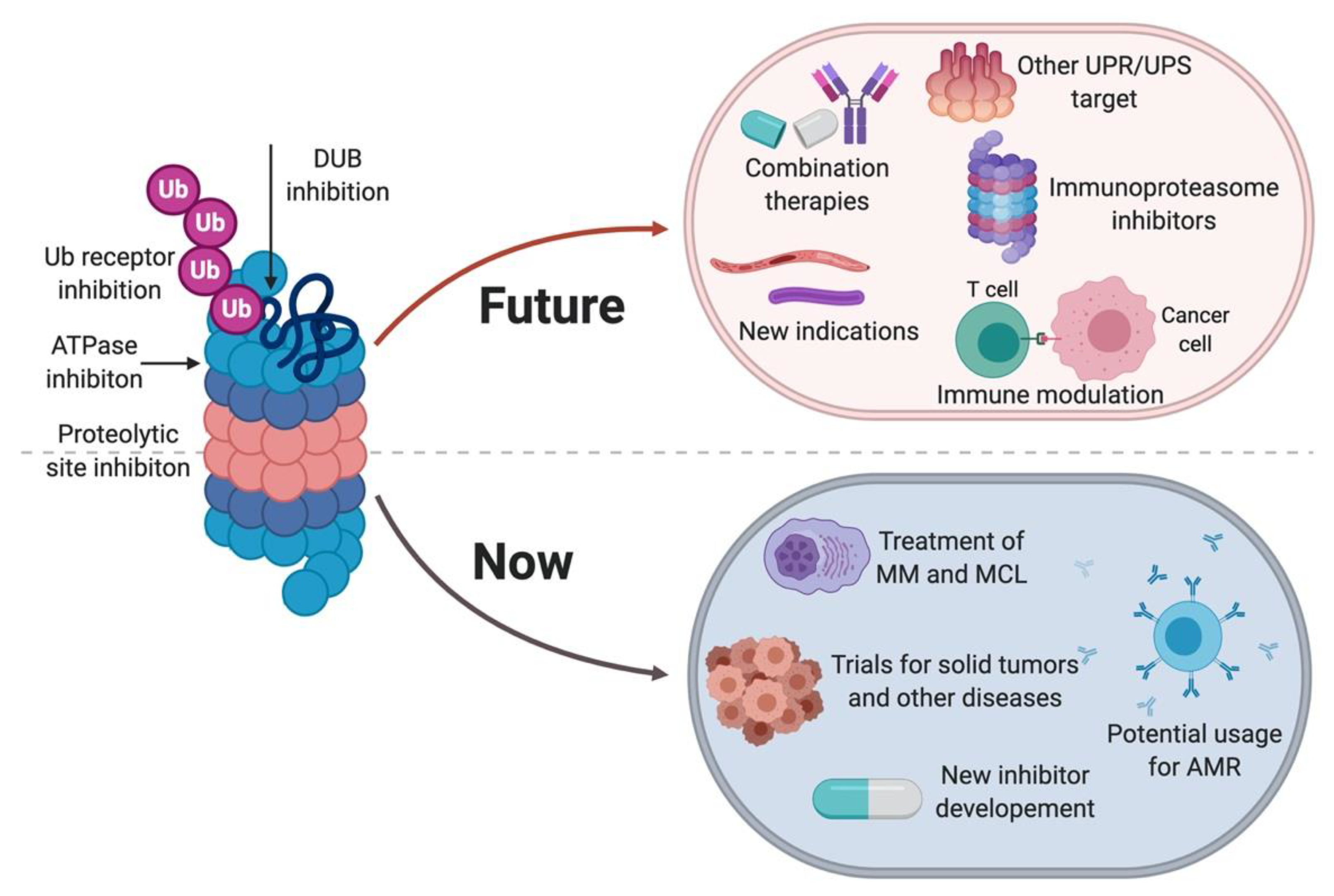
Molecules Free Full Text Proteasome Inhibitors Harnessing Proteostasis To Combat Disease Html
0 Response to "Proteasome Inhibitors In Cancer Therapy"
Post a Comment